Artificial intelligence (AI) is moving beyond traditional automation into a more advanced realm known as agentic AI. These intelligent agents in AI are capable of autonomous decision-making, learning from feedback, and adapting to their environments in real time. Unlike conventional programs, they can dynamically adjust to new information, creating a transformative approach to tasks in various fields. This guide explores what (artificial intelligence) AI Agents are, their importance, types, challenges, and the impact they’re making.
Index
- What is an Agent in AI?
- Why are Agents in Artificial Intelligence Important?
- Types of AI Agents
- Memory in AI Agents
- Challenges of Developing AI Agents
- Building Effective AI Agents
- Real-World Applications of Intelligent Agents
- The Future of Intelligent Agents in AI
- FAQs
- Conclusion

What is an Agent in AI?
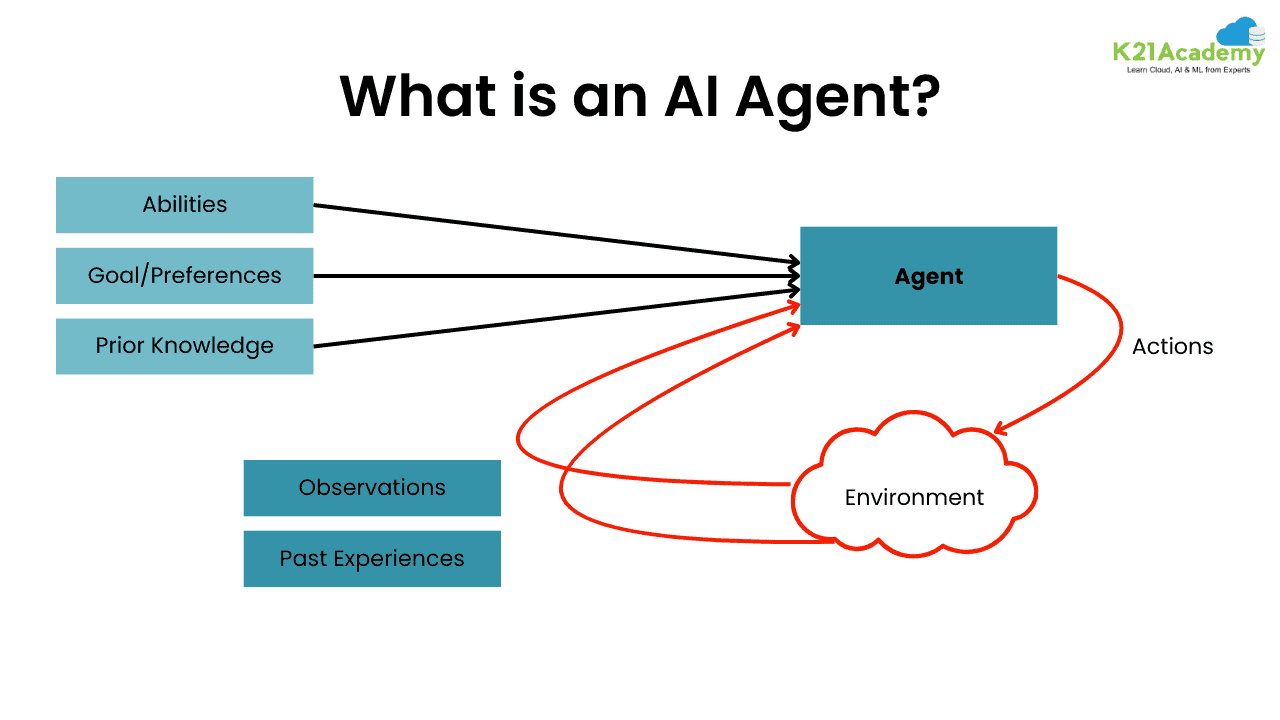
An agent in AI is an autonomous system designed to perform specific tasks with minimal guidance. These intelligent agents have unique characteristics that enable them to make decisions, learn from experiences, and adapt to new conditions. Agents can vary by platform, with specialized options like AWS agents designed to perform tasks within cloud environments. .Unlike traditional systems, they rely on memory, planning, and tool use to improve their responses and achieve set goals independently.
Lilian Weng from OpenAI highlights three core characteristics of effective agents in artificial intelligence:
- Planning: AI agents set goals and create milestone-based plans, refining their approach through a reward system for continuous improvement.
- Memory: They use memory to process immediate prompts and remember past interactions, often through retrieval-augmented generation (RAG).
- Tool Use: AI agents interact with external APIs to retrieve data or execute commands, enabling them to perform multi-step tasks and adapt to dynamic environments.
 Examples of Intelligent Agents
Popular open-source AI agents include:
- AutoGPT: Makes OpenAI’s GPT-4 model fully autonomous, performing tasks based on minimal input.
- Clippy: Assists developers with planning, coding, and debugging.
- DemoGPT: Generates demos of applications, providing users with accessible software previews.
To know more : Click Here
Why are Agents in Artificial Intelligence Important?
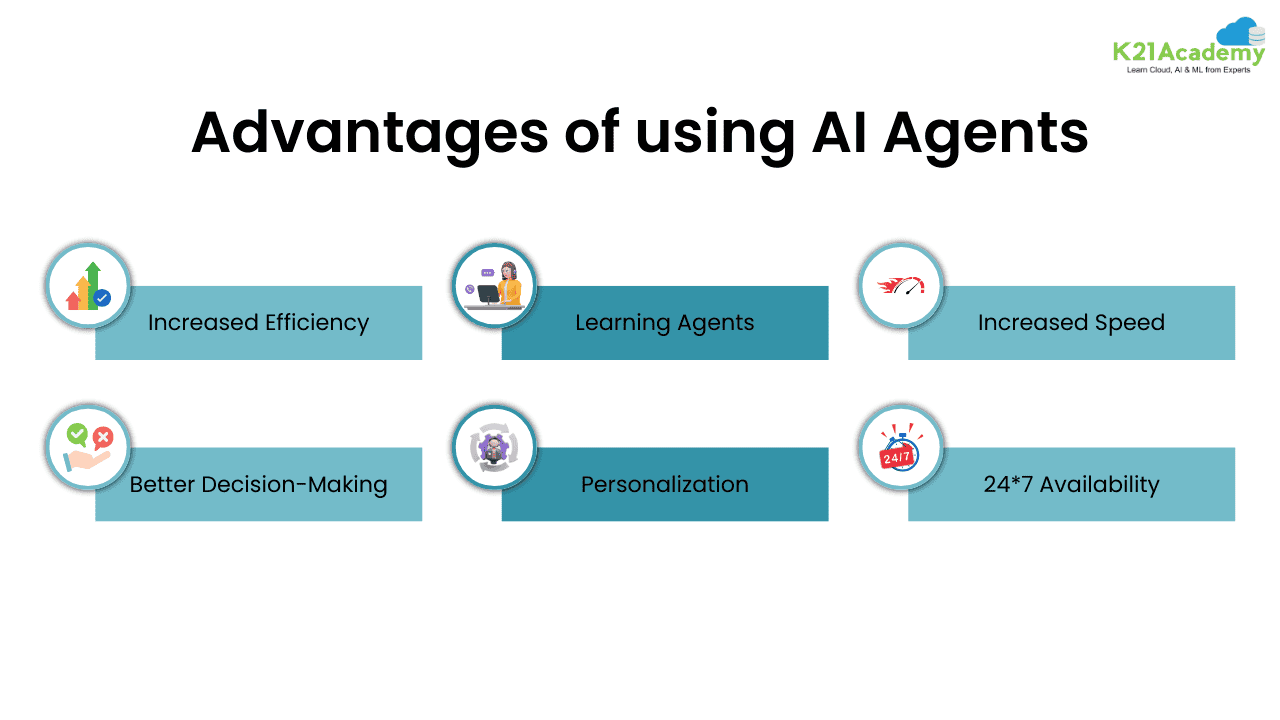
Agents in artificial intelligence bring enhanced efficiency and flexibility to workflows. For developers, this means defining a goal and allowing the agent to create and execute a plan, reducing time spent on repetitive tasks.
Key Benefits of Intelligent Agents
- Increased Efficiency: AI agents streamline processes, from code linting to debugging, saving time and minimizing errors.
- Improved Collaboration: Multi-agent systems, like GitHub’s Copilot Workspace, integrate agents into collaborative workflows, helping developers by generating code, running tests, and managing pull requests.
- Modular Flexibility: AI agents can be designed as modular components, making it easy to combine them into scalable systems for larger tasks.
Types of AI Agents
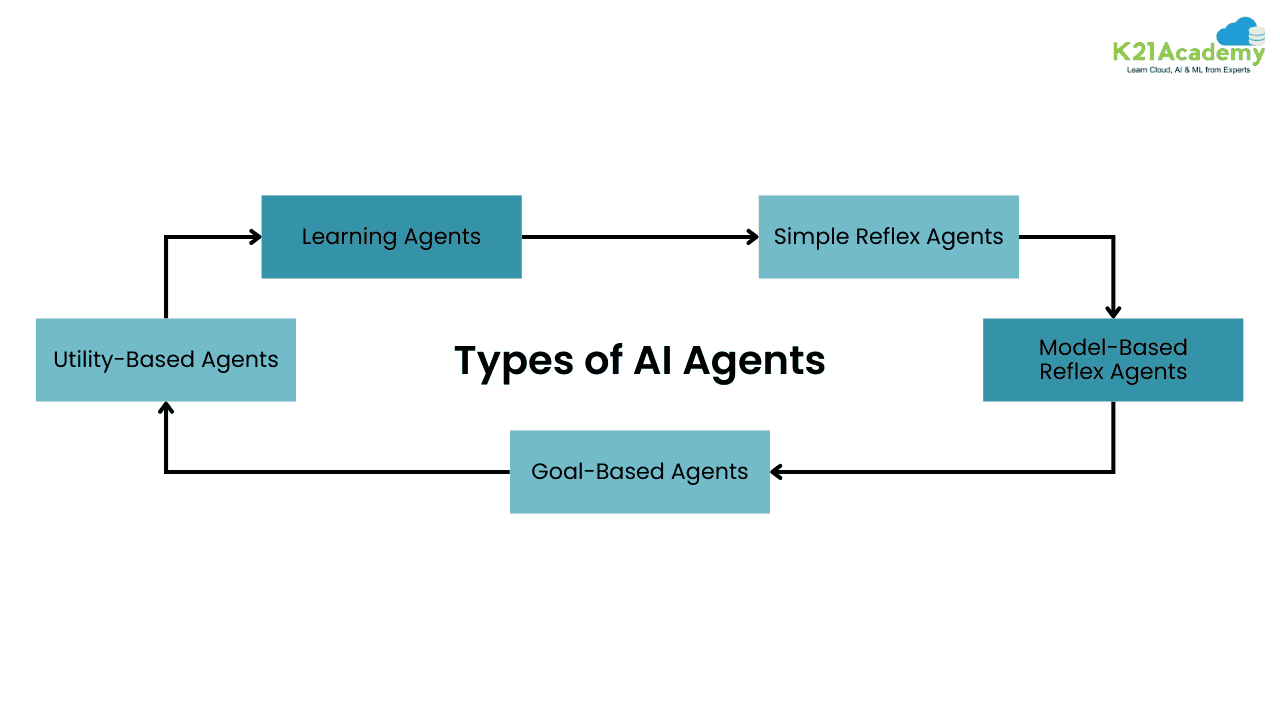
There are several types of agents, each with unique functions and applications:
- Reflex Agents: Operate based on predefined rules, responding quickly to current inputs.
Example: Linting tools like ESLint, which follow coding standards. - Goal-Based Agents: Adjust their actions to achieve specific objectives based on prompts or goals.
Example: GitHub Copilot, which offers code suggestions to meet development goals. - Utility-Based Agents: Evaluate different methods to determine the best way to achieve a goal, factoring in efficiency and user needs.
Example: Bug prioritization tools that assign bugs based on severity. - Learning Agents: Improve their outputs over time by learning from feedback.
Example: Code completion tools that refine suggestions based on previous interactions.
Memory in AI Agents
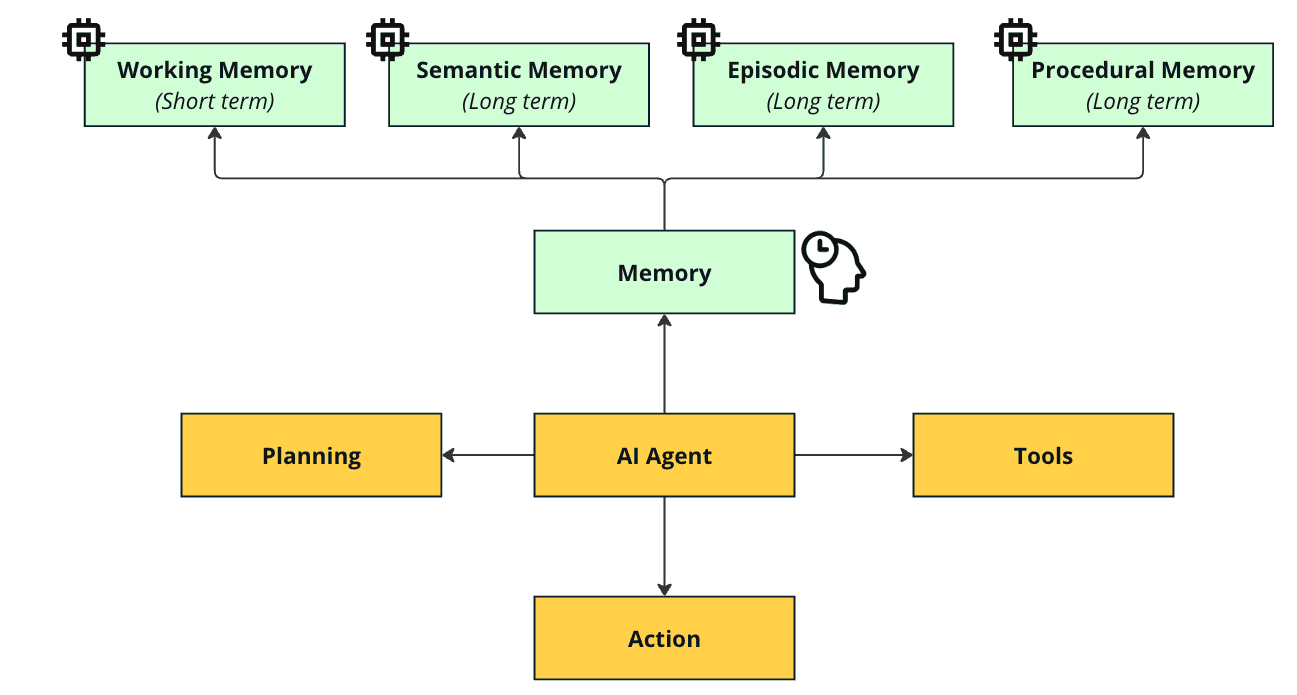
Each agent has a certain amount of long-term memory in addition to short-term memory. Knowing how to construct your AI application system and business logic, as well as the long-term memory types to include in your toolkit, requires an understanding of the distinctions between the two.
Short-term Memory
The temporary storage area where an agent keeps the data it is now using is known as short-term memory, or working memory. Active information such as the context of the current conversation, recent communications, and intermediate steps in reasoning are usually kept in this memory.
Long-term Memory
Long-term memory is of 3 types:
Semantic Memory: Factual knowledge and generic world information are stored in semantic memory. The knowledge your agent has acquired that isn’t connected to particular situations is stored there. This comprises meanings, facts, ideas, and concepts that aid in the agent’s comprehension of the outside environment.
Procedural Memory: Knowledge regarding how to carry out activities or adhere to particular procedures is stored in procedural memory. Procedural memory, which specifies how the AI agents should behave in various scenarios, is frequently implemented as functions, algorithms, or code. This could be as basic as a user greeting template or as sophisticated as a multi-step problem-solving reasoning procedure. Procedural memory records the agent’s application of information, as opposed to semantic memory, which records the agent’s understanding.
Episodic Memory: Certain prior events and experiences are stored in episodic memory. These are the things that happened to us at specific times and locations; they are our autobiographical memories as humans. Episodic memory enables AI agents to recall and gain knowledge from previous user encounters.
Challenges of Developing Intelligent Agents
Creating reliable agents presents several technical challenges:
- Unpredictability: As AI agents adapt to their environments, their responses are not always predictable, making debugging a challenge in complex, autonomous systems.
- Evaluating Performance: Assessing an AI agent’s improvement can be difficult as it’s hard to determine if changes result from the agent’s model, data, or external factors. Developers often require advanced methods for accurate evaluation.
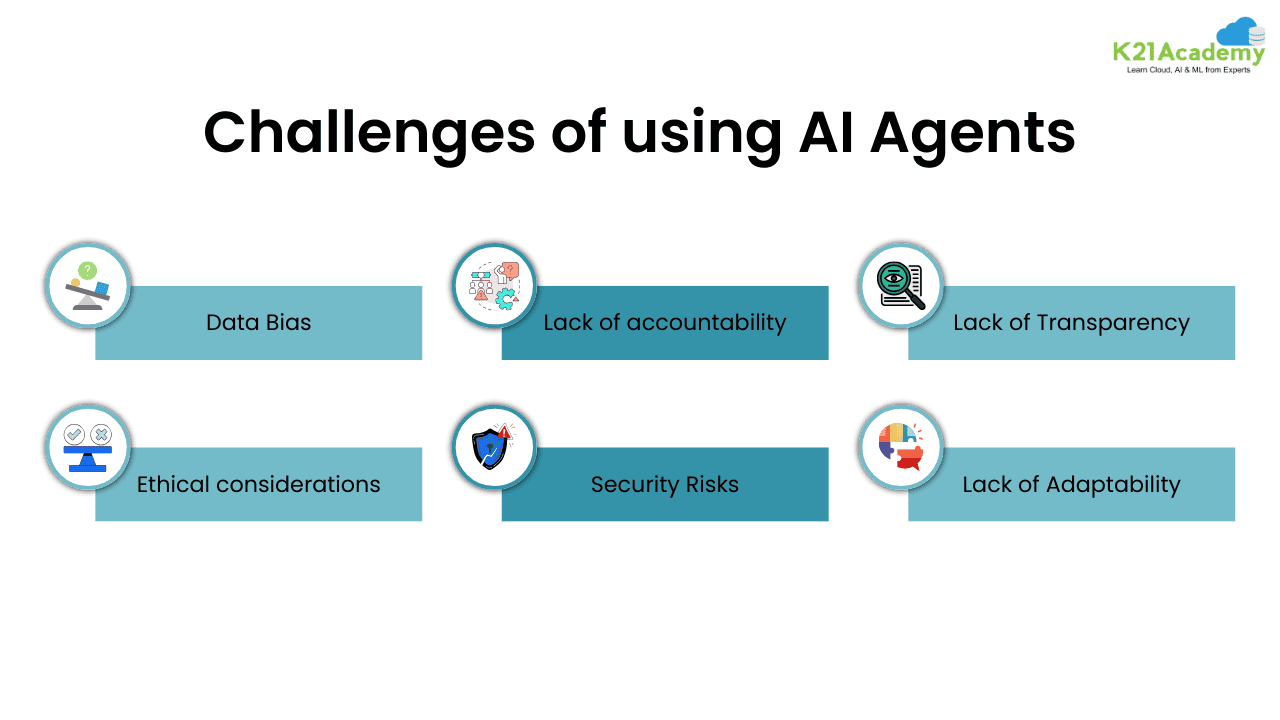 These challenges highlight the need for clear metrics, transparency, and reliable testing processes to ensure agent effectiveness.
Building Effective AI Agents
To create successful agents in artificial intelligence, consider these best practices:
- Define Clear Goals: Clear goals allow the agent to create structured plans and work toward a desired outcome.
- Use Modular Design: By developing modular agents with specialized skills, developers can combine them into multi-agent systems to handle complex tasks.
- Iterative Testing and Optimization: Testing and refining agents in different scenarios improves their performance and addresses potential issues early.
Real-World Applications of Intelligent Agents in AI
GitHub’s Copilot Workspace is a prime example of how intelligent agents in AI support developers by handling tasks like code writing, debugging, and organizing pull requests, creating a streamlined workflow.
Multi-agent systems are also transforming industries such as finance, healthcare, and customer service by improving customer experiences, optimizing resource allocation, and automating complex tasks.
The Future of Intelligent Agents in AI
Agents in artificial intelligence are becoming increasingly sophisticated, handling complex tasks with minimal input from users. With advancements in multi-agent systems and ongoing development, intelligent agents in AI are set to reshape various industries by providing more intuitive, autonomous support for everyday tasks.
Future trends in agentic AI suggest that these systems will continue to integrate into everyday workflows, making them essential in software development and other fields.
FAQs
What is an intelligent agent in AI?
An intelligent agent in AI is an autonomous program designed to perform tasks, make decisions, learn from feedback, and adapt to new conditions with minimal human input.
How do AI agents differ from traditional programs?
Unlike traditional programs that follow strict instructions, AI agents use memory, planning, and tools to make dynamic decisions and learn from their experiences, adapting in real-time.
What are the main types of AI agents?
The main types of AI agents are reflex agents, goal-based agents, utility-based agents, and learning agents, each with distinct functions and applications.
What are common challenges in developing AI agents?
Key challenges include unpredictability in responses, difficulty debugging complex behaviors, and measuring performance accurately, requiring advanced metrics and transparent testing.
Why are AI agents important for industries today?
AI agents improve efficiency by automating repetitive tasks, enhancing collaboration, and enabling scalable, modular solutions that save time and resources across various fields.
Conclusion
Agentic AI is redefining automation, collaboration, and efficiency in software development and beyond. Intelligent agents in AI enable us to focus on higher-value tasks by automating and optimizing routine operations. As technology advances, these agents are expected to play an even more significant role across industries, making them an exciting area of AI with vast potential. With continuous development, it promise to enhance productivity and innovation, bringing us closer to a future of intelligent, autonomous systems.
Next Task: Enhance Your Agentic AI Skills
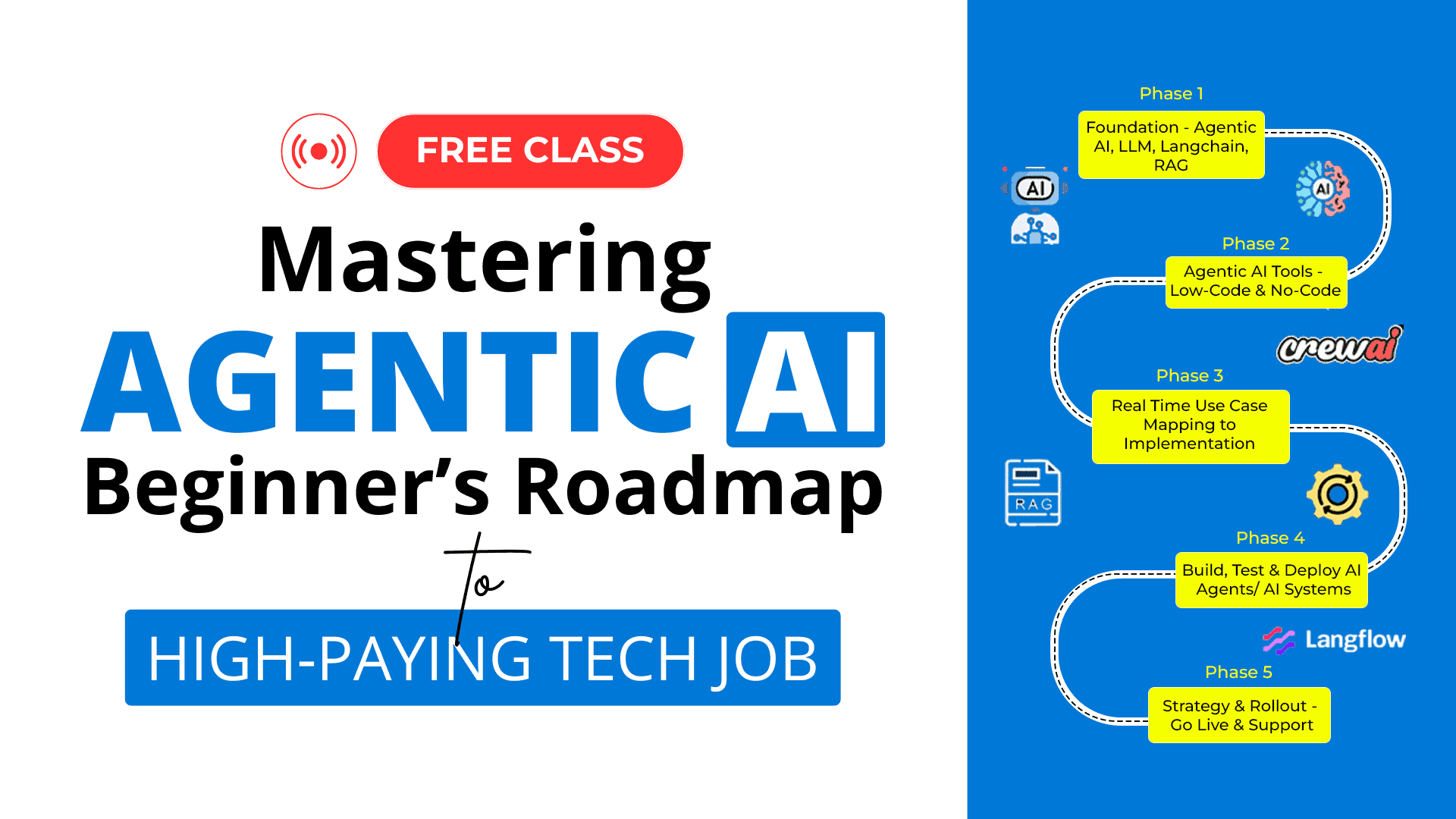
Ready to master Agentic AI & generative AI? Join K21 Academy’s Agentic AI FREE class and take the first step toward a career in Agentic AI and GenAI—even if you’re a beginner! Secure your spot now!