Kubernetes (K8s) has become the preferred technology for orchestrating containerized applications in the rapidly changing world of cloud computing. Developers and businesses alike love it because of its scalability and resilience. Despite its strength, Kubernetes can be difficult to manage and optimize. This is where K8sGPT, a combination of Kubernetes and Generative AI, enters the picture.
We will examine how K8sGPT may completely transform your Kubernetes cluster management in this Blog .
Understanding Kubernetes and Generative AI
Before diving into K8sGPT, let’s briefly recap what Kubernetes and Generative AI are.
What is Kubernetes (K8s)?
An open-source platform called Kubernetes was created to simplify the deployment, scaling, and operation of application containers. It offers a robust and self-repairing technology that guarantees your apps function properly across computer clusters.
👉 Learn more about K8s
What is Generative AI?
A class of artificial intelligence algorithms known as “generative AI” is capable of producing original content. Text, pictures, and even code can be included in this. Because they can comprehend and produce writing that is human-like, these models—like OpenAI’s GPT-3—are extremely useful for a range of tasks, such as content generation and natural language processing.
👉 Learn more about Gen AI
Advantages of Leveraging GenAI with Kubernetes Operations

Cluster management can be completely transformed by combining Kubernetes operations with Generative AI (GenAI). Here’s how:
Increased Automation and Efficiency
1. Automating repetitive tasks:
Save time by letting GenAI take care of repetitive duties like configuration management and deployment scaling.
Concentrate on Strategy: Make time for strategic endeavors.
2. Streamlined Administration:
Usability: Rather than relying on intricate Kubectl syntax, communicate with your cluster using natural language instructions.
Lower the Learning Curve: Make Kubernetes easier for novices to understand.
Proactive Security and Problem-Solving
1. Anomaly detection in real time:
- Continuous Monitoring: To identify irregularities, GenAI examines network traffic, logs, and container behavior.
- Enhanced Security: Identify possible problems or security risks as soon as possible.
How does K8sGPT ensure the privacy and security of data while using external Al providers?
K8sGPT ensures data privacy and security by implementing strict access controls, encryption, and secure communication channels when interacting with external AI providers. It adheres to best practices for data handling, ensuring sensitive information remains protected throughout processing.
2. Predictive upkeep:
- Proactive Prevention: GenAI anticipates issues before they arise, allowing for proactive prevention.
- Minimize Downtime: Take care of problems before they affect the functionality of your program.
Increased Resource Management and Scalability
1. AI-powered Autoscaling:
- Dynamic Scaling: GenAI adjusts your resources in real time to meet your demands.
- Optimal Utilization: Avoid overprovisioning or under provisioning for optimal utilization.
2. Data-driven Resource Allocation:
- Deep Insights: Gain a better understanding of how you use your resources.
- Cost Efficiency: Use resources as efficiently as you can to save more money.
Self-Repair and Continuous Enhancement
Self-healing and Continuous Optimization
1. Self-healing Clusters:
- Automatic Fixes: GenAI recognizes and fixes issues without human intervention.
- Increased Uptime: Benefit from increased dependability and uptime.
2. Continuous Optimization:
- Peak Performance: Your cluster configuration is continuously analyzed and optimized by GenAI.
- Resource Efficiency: Make certain that your clusters are constantly operating at peak performance.
What is K8sGPT?
K8sGPT blends the intelligence of generative AI with the orchestration capabilities of Kubernetes. K8sGPT can improve cluster administration, optimize resource allocation, and offer automation and intelligent recommendations by utilizing GPT-3 in Kubernetes systems.
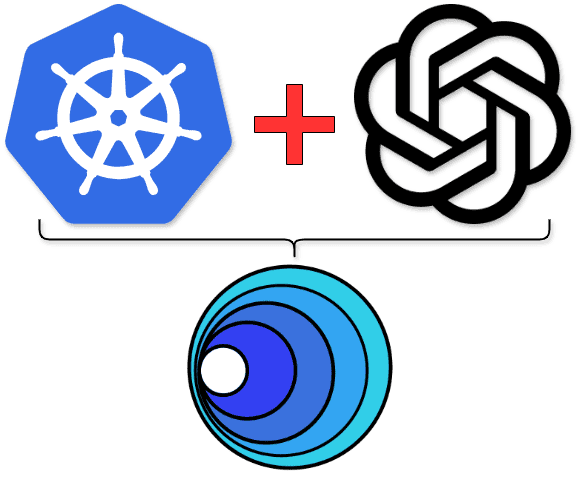
K8sGPT can change your Kubernetes experience in the following ways:
1. Automated Diagnostics and Troubleshooting
Troubleshooting problems is one of the main challenges in Kubernetes cluster management. Logs, events, and metrics can all be examined using K8sGPT to spot irregularities and possible problems. It can drastically cut down on the time and skill required to address issues by producing explanations and possible solutions in natural language.
What challenges do Kubernetes administrators face in troubleshooting environments?
Kubernetes administrators face challenges like complex multi-node architectures, difficult-to-trace errors, container networking issues, resource limitations, and managing stateful applications. Additionally, debugging logs, monitoring distributed systems, and handling security vulnerabilities add complexity to troubleshooting in Kubernetes environments.
Example Use Case: A developer observes that their application is performing worse. K8sGPT has the ability to examine the logs, identify the underlying cause (such as a memory leak in a particular pod), and recommend remedial measures like raising memory limits or looking into particular code segments.
2. Resource Management That Is Intelligent
In a Kubernetes cluster, resource allocation optimization is essential for both cost and performance. K8sGPT can forecast trends in resource utilization and suggest changes to scaling strategies, limitations, and quotas. By doing this, apps are guaranteed to have the resources they require without going overboard.
An example use case is when K8sGPT examines an application’s usage patterns and suggests raising the CPU limits during peak hours while lowering them during off-peak hours. This dynamic adjustment results in optimal performance and cost savings.
3. Streamlined Cluster Management
Numerous administrative duties, including configuration management, security policy, and update management, are part of running a Kubernetes cluster. K8sGPT has the ability to automate repetitive activities, generate and evaluate configuration files, and advocate best practices.
An administrator must update the security policies for several namespaces, for example. K8sGPT minimizes human mistake and ensures adherence to security requirements by generating the required YAML configurations and scripts.
4. Improved Experience for Developers
K8sGPT allows developers to communicate with Kubernetes using natural language commands and queries. This simplifies the development process and lowers the barrier to entry for new users.
“How can I deploy a new version of my app with zero downtime?” is an example of a use case. a developer asks K8sGPT. The deployment procedure is made simpler by K8sGPT’s response, which includes the required kubectl instructions and a thorough step-by-step guidance.
How has the K8sGPT project evolved since its inception?
Since its inception, K8sGPT has evolved from a basic Kubernetes assistant to an advanced AI-driven tool that simplifies cluster management, offering enhanced troubleshooting, real-time insights, and automated recommendations for efficient Kubernetes operations, improving DevOps workflows significantly.
K8sGPT GitHub
K8sGPT on GitHub is an open-source tool designed to simplify troubleshooting for Kubernetes clusters. Leveraging AI, it analyzes issues within your Kubernetes environment, such as configuration errors, performance bottlenecks, and resource allocation problems. With its easy integration and actionable insights, K8sGPT helps developers and DevOps teams maintain cluster health and optimize Kubernetes deployments efficiently. You can find it on GitHub by searching for “K8sGPT” to explore its documentation and installation guide.
K8sGPT Operator
The K8sGPT Operator is a tool designed to simplify troubleshooting in Kubernetes environments by leveraging AI-powered insights. It automates the detection and analysis of common issues within Kubernetes clusters, providing actionable recommendations directly within the cluster. With the K8sGPT Operator, developers and DevOps teams can reduce the time spent on diagnosing issues, improve cluster reliability, and enhance the overall management of Kubernetes resources, making it a valuable asset for efficient cluster maintenance.
What are the future plans and roadmap for integrating K8sGPT with cloud provider infrastructures and additional tools?
K8sGPT plans to integrate with major cloud providers like AWS, Azure, and GCP, enhancing Kubernetes management. Future developments include seamless tool integration, automated scaling, multi-cloud support, and improved AI-driven insights for optimized infrastructure and operations.
What significance does K8sGPT’s acceptance into the CNCF sandbox hold for the project?
K8sGPT’s acceptance into the CNCF sandbox signifies a major step in gaining community recognition and support. It enhances the project’s credibility, fosters collaboration, and aligns it with industry standards, accelerating its growth and adoption within the Kubernetes ecosystem.
What Al providers does K8sGPT integrate with for analysis?
K8sGPT integrates with top AI providers like OpenAI, Google Cloud AI, and Azure AI for advanced data analysis. It leverages these platforms’ capabilities to optimize Kubernetes cluster management and enhance operational insights through AI-driven recommendations and monitoring.
What evidence is there of growing excitement and adoption of the K8sGPT project?
The growing excitement around K8sGPT is evident through increasing community contributions, rising GitHub activity, and user testimonials. Adoption is visible as enterprises integrate K8sGPT for automating Kubernetes tasks, enhancing workflows, and improving DevOps efficiency, sparking industry buzz.
Getting Started with K8sGPT
Integrating K8sGPT into your Kubernetes environment, we will need:
- A K8s cluster (To Setup A Multi-Node Kubernetes Cluster Step By Step, Click Here)
- OpenAI key
Now we will create an OpenAI account and then create a Key.
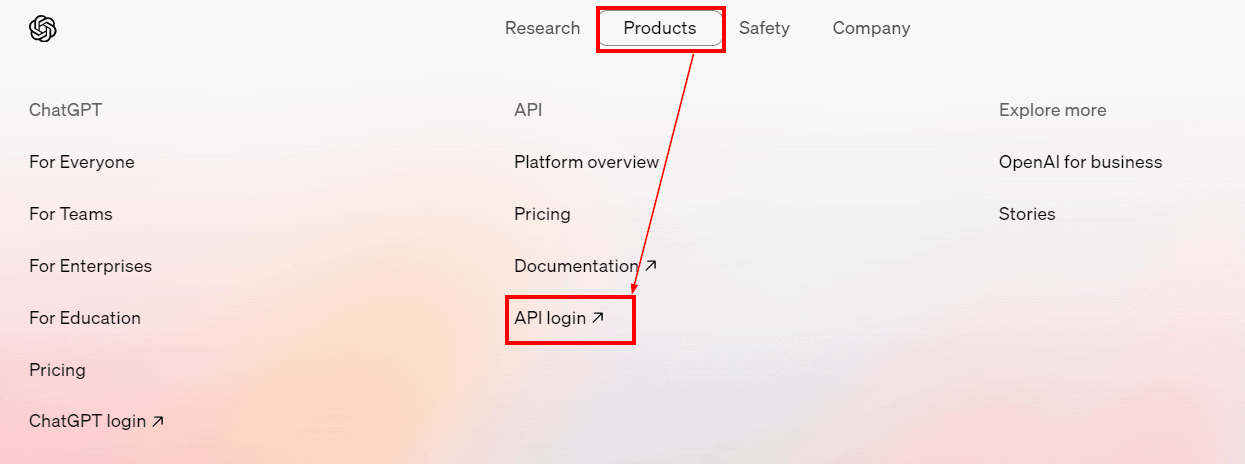
1. To create OpenAI account, navigate to the OpenAI website. Then click on Products then click API login (Products –> Api login )
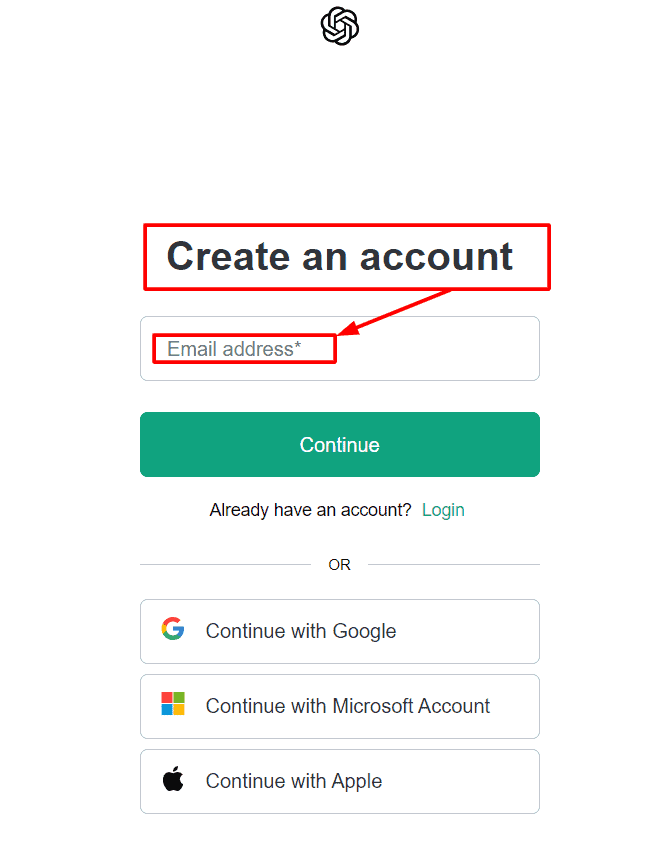
2. Then create an account if you already do not have one:
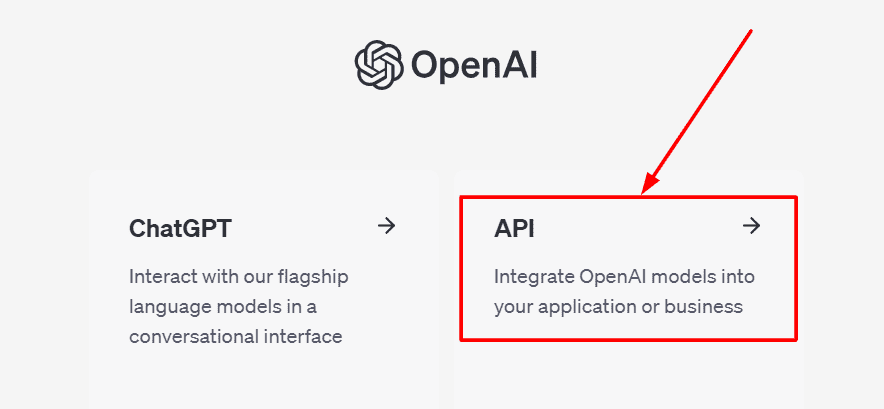
3. Once the account is created then signin and click on API:
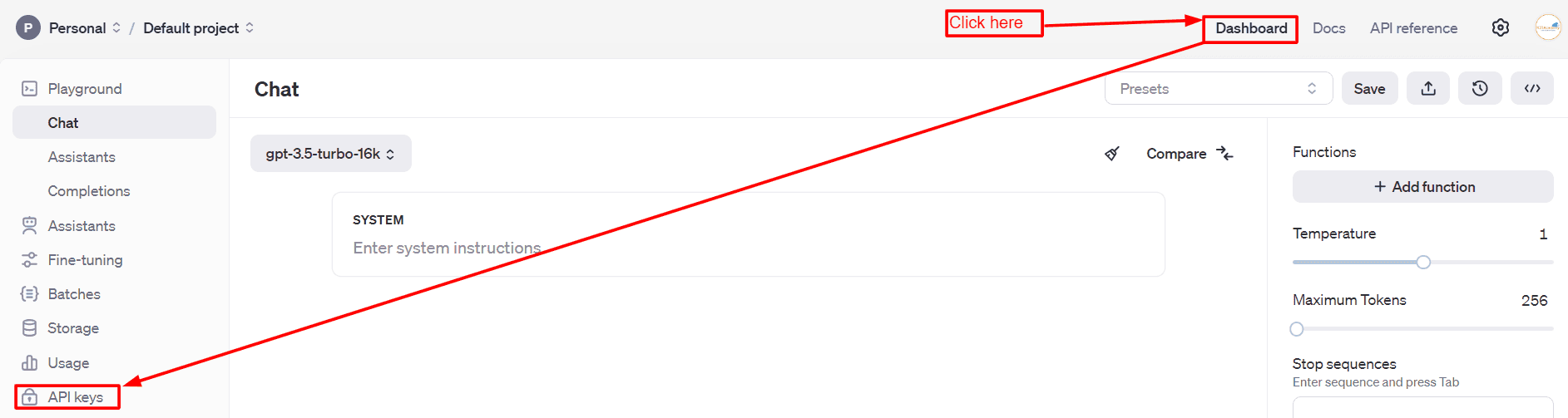
4. Click on Dashboard then click API keys:
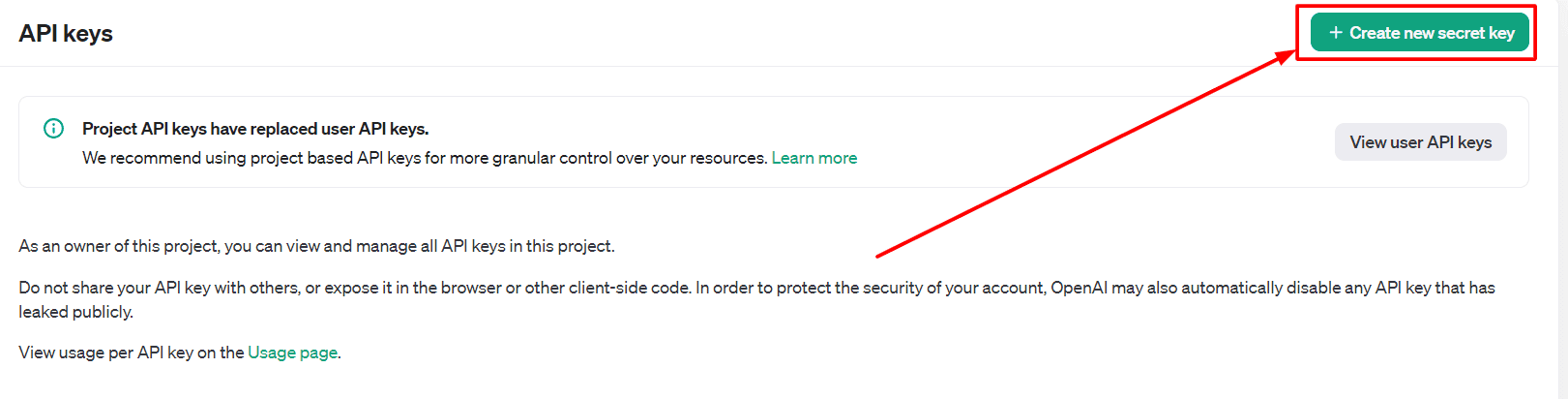
5. Click on Create new secret key:
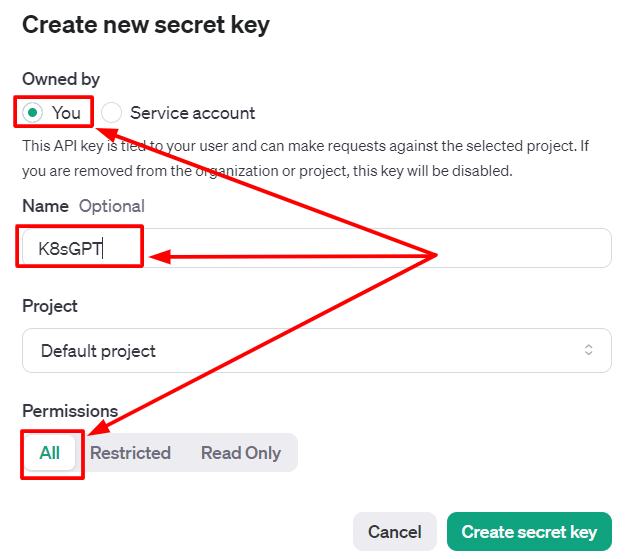
6. Now select any name for the api key and keep the rest as shown in the below image and then click on Create Secret Key:
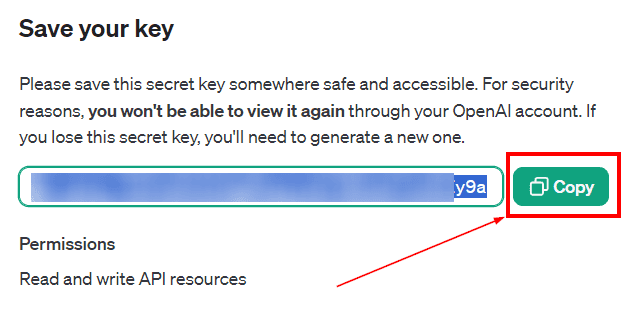
7. Finally your key is created and now copy the key and save it somewhere for future use:
Installing and using K8sGPT on a K8s cluster
Once the cluster is set up & OpenAPI secret key is created, then please follow the below steps to install K8sGPT.
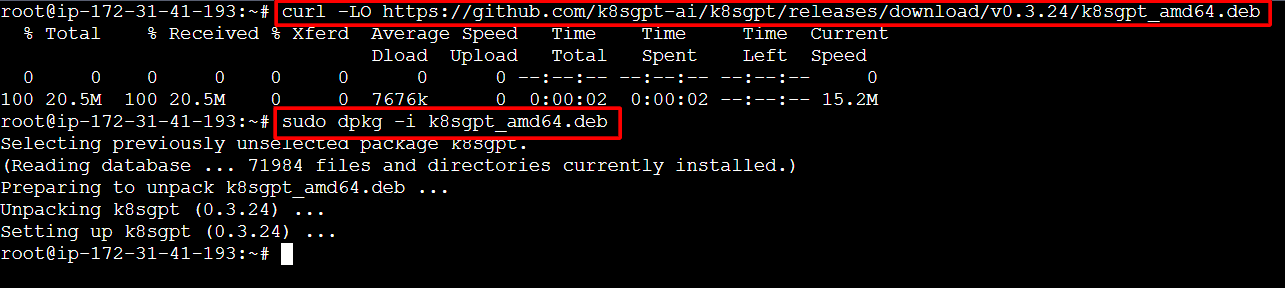
1. Download and install a software package for K8sGPT:
📌 Note: We are using Ubuntu servers for our K8s cluster, if you are using any different OS then please Click here for installation steps.
(For Ubuntu 64 bit):
$ curl -LO https://github.com/k8sgpt-ai/k8sgpt/releases/download/v0.3.24/k8sgpt_amd64.deb
$ sudo dpkg -i k8sgpt_amd64.deb
2. Check the version:
$ k8sgpt version

3. Setup the OpenAPI secret key to your K8sGPT which is running on the K8s cluster:
$ k8sgpt auth add

Now paste the key and hit enter:

We have succefully Installed and configured K8sGPT.
4. Run the below command to run a scan on the k8s cluster:
$ k8sgpt analyze

- And use
k8sgpt analyze --explainto get a more detailed explanation of the issues. - You also run
k8sgpt analyze --with-doc(with or without the explain flag) to get the official documentation from Kubernetes.
How can individuals learn more about the developments and discussions surrounding K8sGPT?
To stay updated on K8sGPT developments, individuals can follow official GitHub repositories, join Kubernetes-related forums and Slack channels, attend conferences like KubeCon, and follow experts on social media platforms for the latest discussions and advancements.
Conclusion
Offering previously unheard-of capabilities in cluster administration and optimization, K8sGPT is a potent combination of Kubernetes and Generative AI. K8sGPT may automate difficult operations, offer useful insights, and improve the developer experience by utilizing GPT-3’s intelligence. K8sGPT stands out as a game-changing solution in the Kubernetes ecosystem as businesses aim for agility and efficiency in their cloud operations.
FAQs
What is K8sGPT?
K8sGPT is an AI-powered troubleshooting tool for Kubernetes clusters that helps diagnose and resolve issues by analyzing cluster data and providing insights. It leverages natural language processing to offer human-readable explanations of errors, making Kubernetes management easier and more efficient for developers and operators.
How does K8sGPT help with troubleshooting and diagnostics?
K8sGPT is a troubleshooting tool for Kubernetes that leverages AI to analyze cluster issues, identify root causes, and provide actionable recommendations. By automating diagnostics, it helps DevOps teams quickly resolve misconfigurations, resource constraints, and other operational challenges in Kubernetes environments.
In what ways may K8sGPT enhance Kubernetes cluster resource management?
K8sGPT optimizes resource management in a Kubernetes cluster by providing AI-driven insights and diagnostics that identify resource bottlenecks, misconfigurations, and inefficiencies. This helps streamline workload performance, improve scalability, and reduce costs by ensuring optimal resource allocation.
How does K8sGPT simplify cluster administration?
K8sGPT simplifies Kubernetes cluster administration by providing AI-driven insights into cluster issues, automating diagnostics, and offering actionable recommendations. It streamlines troubleshooting, helping administrators quickly identify and resolve configuration errors, resource bottlenecks, and security vulnerabilities.
What are the future plans and roadmap for integrating K8sGPT with cloud provider infrastructures and additional tools?
The future roadmap for K8sGPT includes deeper integration with cloud provider infrastructures, enabling seamless diagnostics and monitoring across cloud-native environments. Plans also involve incorporating additional tools for advanced insights, automated remediation, and enhanced support for multi-cloud and hybrid setups, making Kubernetes management more streamlined and efficient.
What challenges do Kubernetes administrators face in troubleshooting environments?
Kubernetes administrators face challenges like diagnosing complex networking issues, managing resource limitations, and debugging multi-layered, containerized applications. They often deal with limited visibility into distributed systems, which makes root cause analysis and monitoring across clusters difficult.
What Al providers does K8sGPT integrate with for analysis?
K8sGPT integrates with several AI providers, including OpenAI, Azure OpenAI, and Anthropic, for advanced analysis and troubleshooting within Kubernetes environments. This integration enables it to leverage powerful language models to interpret logs, identify issues, and provide actionable insights for cluster management.
How does K8sGPT ensure the privacy and security of data while using external Al providers?
K8sGPT ensures data privacy and security by anonymizing and encrypting sensitive information before sending it to external AI providers. It also allows users to configure which data is shared, ensuring compliance with privacy policies and minimizing exposure of confidential data.
Related/References
- Visit our YouTube channel “K21Academy”
- Join Our Generative AI Whatsapp Community
- What is Generative AI & How It Works?
- What is Prompt Engineering?
- 𝐖𝐡𝐚𝐭 𝐢𝐬 𝐚 𝐥𝐚𝐫𝐠𝐞 𝐥𝐚𝐧𝐠𝐮𝐚𝐠𝐞 𝐦𝐨𝐝𝐞𝐥 (𝐋𝐋𝐌)?
- 𝐖𝐡𝐚𝐭 𝐈𝐬 𝐍𝐋𝐏 (𝐍𝐚𝐭𝐮𝐫𝐚𝐥 𝐋𝐚𝐧𝐠𝐮𝐚𝐠𝐞 𝐏𝐫𝐨𝐜𝐞𝐬𝐬𝐢𝐧𝐠)?
Next Task: Enhance Your Azure AI/ML Skills