Cybersecurity is one of the most critical concerns in today’s digital world, where data breaches and cyberattacks are rising. Organizations need professionals with specialized skills in securing complex environments to avoid these threats.
Here is the list of topics that we have covered in the blog.
- What is Microsoft Cybersecurity Architect (SC-100)?
- Exam Details SC-100
- SC-100 Exam Topics
- Microsoft Cybersecurity Architect (SC-100) Prerequisites
- Microsoft Cybersecurity Architect (SC-100) Sample Question Types
- SC-100 Exam Retake Policy
- How can candidates prepare for the Microsoft cybersecurity architect exam?
- Who Does This Certification Apply To?
- Job Opportunities and Career Paths Post SC-100 Certification
- Conclusion
- FAQs
One certification that helps professionals achieve this expertise is the Microsoft Cybersecurity Architect (SC-100) certification. In this blog, we’ll dive deep into what SC-100 offers and how it can elevate your career as a cybersecurity expert.

What is Microsoft Cybersecurity Architect (SC-100)?
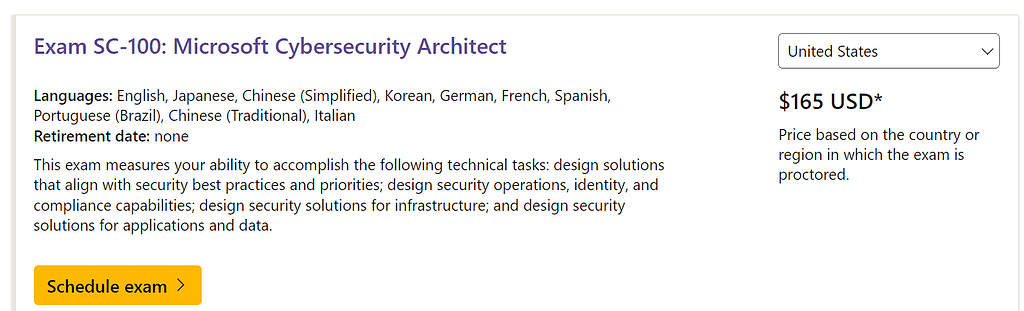
The Microsoft Cybersecurity Architect (SC-100) certification is designed for professionals responsible for designing and implementing a cybersecurity strategy tailored to organizational needs. This role requires expertise in assessing security threats, managing vulnerabilities, and establishing policies that minimize risk. SC-100 focuses on equipping architects with the skills to defend against modern cyber threats, covering areas like Zero Trust architecture, hybrid and multi-cloud security, and security operations.
![Domain Covered in [SC-100] Exam](https://learn.k21academy.com/wp-content/uploads/2024/10/Domain-Covered-in-SC-100-Exam.webp) Domain 1: Design solutions that align with security best practices and priorities (20–25%)
Domain 1: Design solutions that align with security best practices and priorities (20–25%)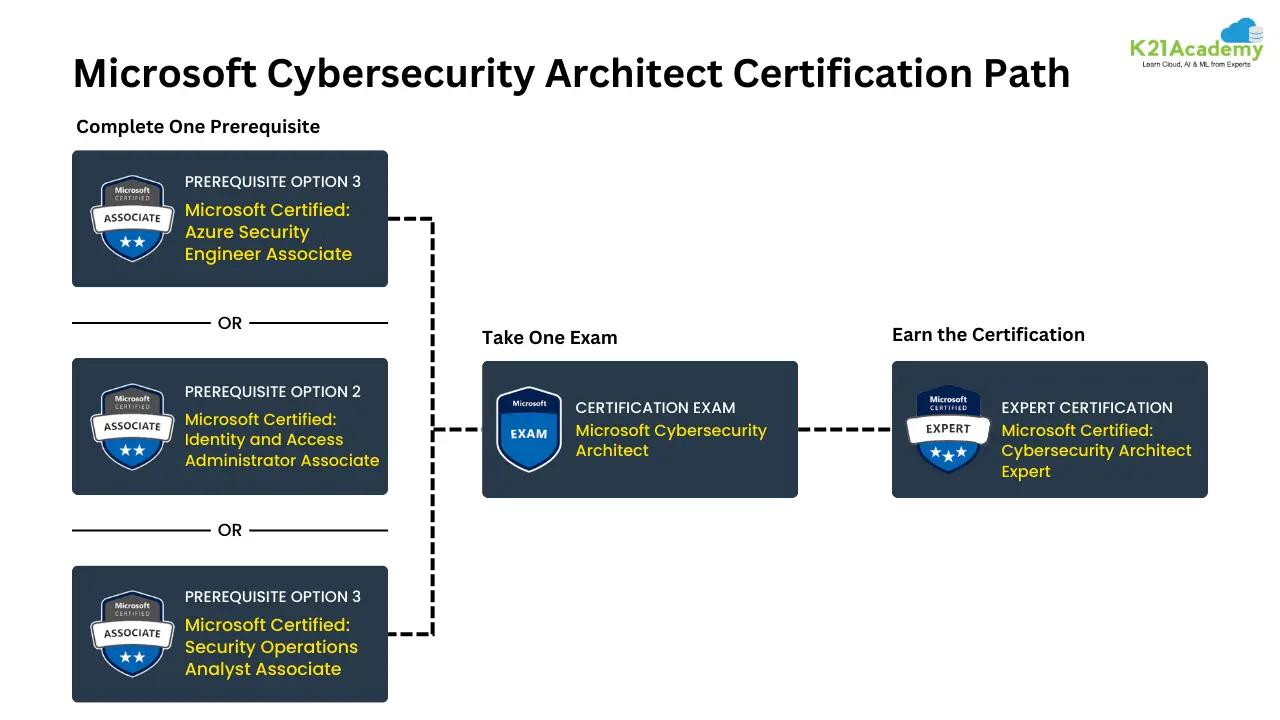
Related Links/References:
- Cyber Security: Everything You Must Know
- Top 10 Best Practices for Azure Security
- Cloud Security with AWS and Azure: A DevSecOps Overview
- Exam AZ-500: Microsoft Azure Security Technologies
- AWS Certified Security Specialty: Everything You Need To Know
Next Task For You
Begin your journey towards becoming a Cyber Security Engineer and earn a lot more in 2024 by joining our Free Class Waitlist.